Thursday, May 27, 2021

Verizon, AT&T look to wireless, C-band spectrum as cheaper alternative to building fiber to the home

That expanded opportunity is thanks to adding 4G fixed wireless access to the equation, as well as the addition of C-band spectrum to Verizon’s spectrum portfolio. C-band spectrum provides a broader reach. Initial 5G Home service was based on short range mmWave spectrum.

Verizon has suggested it will go on the offense with fixed wireless, hoping to take on cable company dominance in residential broadband access in major markets. Outside of its fiber footprint in the Northeast, Verizon has little wireline broadband assets to take on cable.

AT&T CEO John Stankey also shared some views on fixed wireless at the J.P Morgan conference yesterday. AT&T has not been a recent advocate of broad use of fixed wireless, but the company has a very limited fixed wireless offering for rural markets funded through the CAF program. It appears the company may try to build on that.

Stankey now says fixed wireless will play a larger role in the company’s future, although the strategy looks to be very different than Verizon’s take. AT&T appears to be looking to fixed wireless as a way to retire DSL in its non-fiber markets, rather than go on the offense in urban areas. The company has already stopped taking new orders for DSL.

 Verizon CEO: Verizon Fixed Wireless is Key to Monetizing 5G
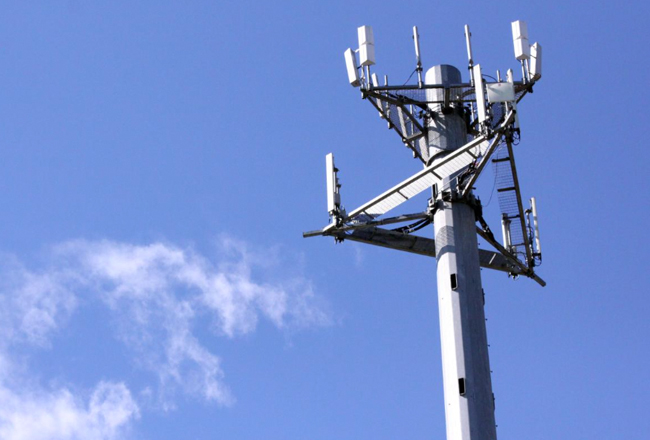
Verizon sues Philipstown for permits to build new cell tower 

Both big telcos are apparently hoping to utilize C-band radio spectrum -- Verizon over its mobile wireless infrastructure -- to provide advanced telecommunications services to homes as a cheaper alternative to building fiber connections to them. For AT&T, it's a replacement strategy for its obsolete DSL over copper technology being discontinued.

Sunday, May 23, 2021

Memo to Biden administration on telecom infra component of infrastructure initiative

As the Biden administration negotiates with Congress on the advanced telecommunications infrastructure component of its American Jobs Plan infrastructure initiative, here are some points it should bear in mind. Some should alleviate concerns of fiscal conservatives who are leery of the amount of the funding proposed and how it will be financed.

  • Don’t cut the funding below the $100 billion originally proposed. Consider that a partial amount for what will ultimately be required to provide a public option of fiber connections reaching every American doorstep. It’s likely at least twice that amount will be necessary.
  • Allocate 90 percent of the funding to long term, low interest loans and 10 percent to technical assistance grants targeted to public sector and nonprofit entities as prioritized in the initiative.
  • Factor in future income tax revenues from enhanced economic activity ubiquitous fiber will enable.
  • Avoid framing this infrastructure component as promoting market competition. It’s a nonstarter as telecom infrastructure like other utilities is a natural monopoly where no meaningful market competition (many sellers and buyers) can exist. The goal should be to provide public option open access fiber infrastructure, not to compete with legacy telephone and cable companies.
  • Similarly, avoid framing this infrastructure element as addressing “unserved” or “underserved” or “rural” households and falling into the speed trap of debating what constitutes “broadband” and where it’s offered. An estimated two thirds of U.S. homes are not passed by fiber and can be found in urban, suburban and exurban as well as rural areas. Public option open access fiber infrastructure will not only help them gain access to modern telecommunications service, but also boost affordability for those households that are passed by fiber.

Friday, May 21, 2021

U.S. at telecom infrastructure crossroads, needs a public option

Biden’s plan is one step toward imagining a new social contract that guarantees universal broadband services. Incentivizing municipal broadband to challenge corporate ISPs’ political and commercial hegemony, the plan is a strong start. But municipal broadband initiatives tend to be highly localized and fragmented, with many communities unable to build their own networks. The federal government needs to coordinate and scale these efforts to build publicly owned Internet networks to ensure that all Americans have access to a “public option” for their broadband services. 

*   *   *

Today we find ourselves at a crossroads. For too long, we’ve tinkered at the margins instead of confronting the corporate capture of the pipes, wires, and other infrastructure powering the Internet. Now we must take a firm stand: We can either have a democratic Internet that includes reliable and affordable access to all or a highly commercialized Internet that delivers profits to a few enormous corporations. We cannot have both.

https://www.thenation.com/article/politics/broadband-infrastructure-biden/